
Pet ER
Intensive Care for Dogs and Cats in East Setauket
Some pets need more treatment, monitoring, and nursing support than can be provided at home. Pet ER Small Animal Emergency Hospital provides intensive care for seriously ill and injured dogs and cats in East Setauket, serving families throughout Suffolk County and Long Island. Hospitalization allows us to follow a patient's condition, deliver prescribed treatment, and reassess the next step as the situation changes.
Call (631) 247-3837 to confirm current doctor availability, emergency intake, and hospitalization capacity. If your pet needs immediate care and we are closed or cannot be reached, seek another open emergency veterinary hospital without waiting for a callback.
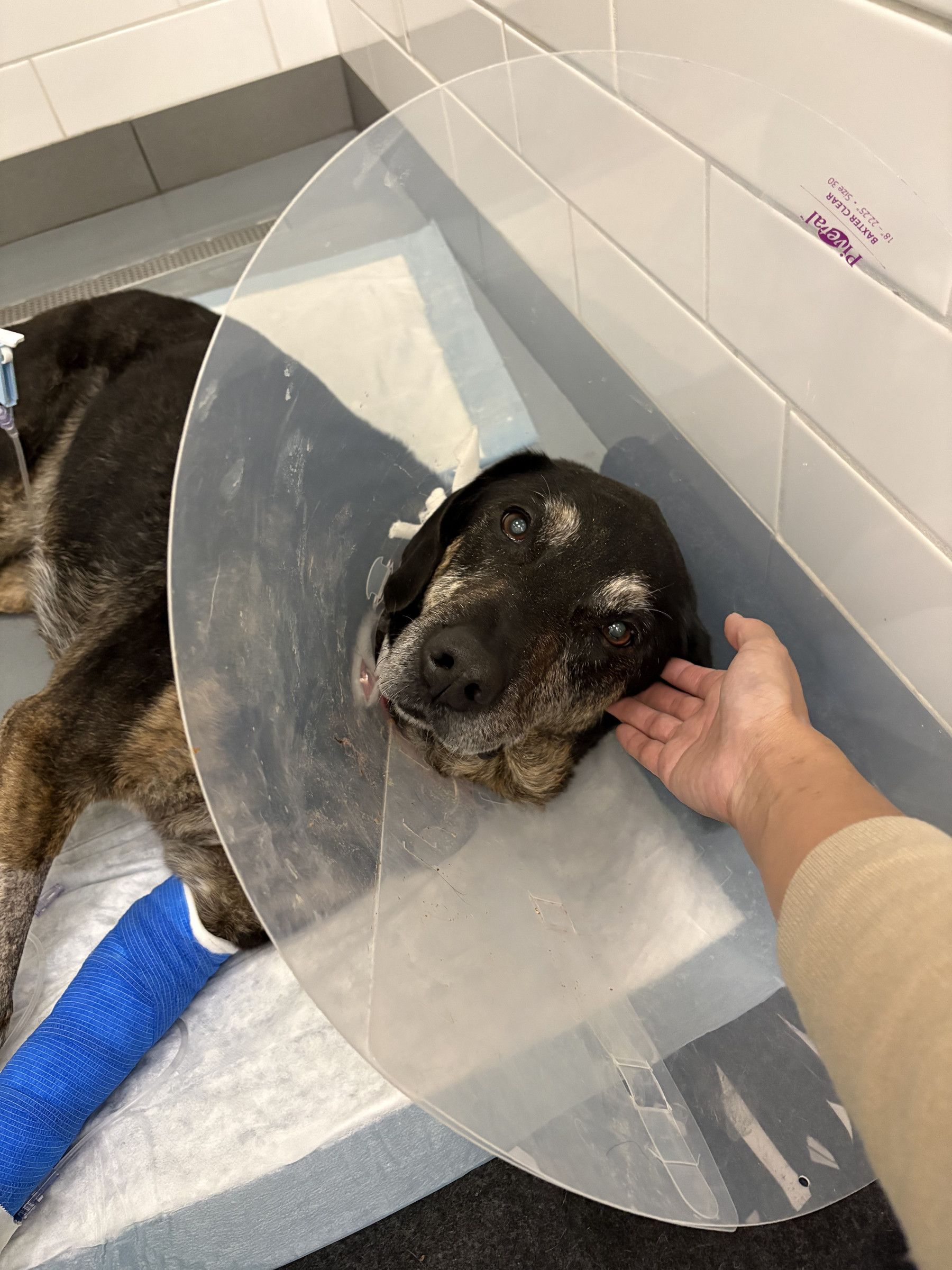
When ICU care may be needed
Patients may need hospitalization for breathing difficulties, significant anemia, trauma, poisoning, neurologic illness, kidney problems, or complications of other medical conditions. Some require intensive support after emergency surgery. The decision to admit a pet depends on the examination, diagnostic findings, and level of care the patient needs.
We discuss why hospitalization is recommended, the immediate priorities, and the concerns we will be watching. The length of a stay depends on the illness and the response to treatment.
A plan built around the patient
ICU care brings treatment and reassessment together. Depending on the condition, the care plan may include oxygen therapy, intravenous fluids, prescribed medications, pain management, blood transfusion support, or help with nutrition. These treatments are selected for the patient's medical needs.
Monitoring may include breathing, temperature, heart rhythm, blood pressure, comfort, urine production, and repeat laboratory testing. The clinician determines which measurements matter, how frequently they are needed, and when changes in the patient's condition require a different plan.
Diagnostics that support treatment decisions
Our hospital offers laboratory testing, digital radiographs, ultrasound, echocardiography, CT imaging, and endoscopy. These resources help us investigate the problem and consider medical or surgical options. The appropriate tests depend on what we need to learn and what the patient can safely tolerate.
For a critically ill pet, stabilization and diagnostic testing may happen in stages. We explain the information available, the questions still unanswered, and how those findings affect treatment.
Care after surgery
Recovery continues after a procedure is finished. A postoperative care plan may include observation during recovery from anesthesia, pain relief, reassessment of breathing and circulation, and attention to the incision or surgical site. Some patients also need feeding support or further treatment for the condition that led to surgery.
We use the patient's progress to guide decisions about continued hospitalization and readiness for home care. Recovery can be straightforward for some pets and more involved for others.
Complex wounds and ongoing nursing care
Pets with extensive wounds may need repeated assessment, bandage care, and a staged plan for healing or closure. Pet ER provides negative-pressure wound therapy, also called vacuum-assisted wound care, when appropriate. Hyperbaric oxygen therapy may be considered separately for selected patients as an additional treatment.
Comfort matters throughout a hospital stay. Nursing care can involve clean bedding, help with positioning and hygiene, assistance with feeding, and careful handling appropriate to the pet's condition. These practical details are part of caring for the whole patient.
Keeping families informed
We know it is difficult to leave a sick pet in the hospital. The team discusses the care plan and shares updates about important findings or changes. Visit arrangements depend on the patient's stability, treatment needs, and hospital activity. Please ask the team about the communication and monitoring arrangements for your pet's stay.
When discharge is appropriate, we explain medications, activity restrictions, home monitoring, and follow-up care. If continued treatment elsewhere is needed, we discuss the next steps.
CONTACT US
Send Us a Message
Use this form for non-urgent questions and referral inquiries. For an urgent medical concern, call (631) 247-3837 to confirm current intake. If we cannot be reached, seek another open emergency hospital without waiting for a message reply.