When Your Pet Needs a Blood Transfusion: What Every Owner Should Know
Pet bleeding, weak, or collapsing? Don’t wait.
When Your Pet Needs a Blood Transfusion: What Every Owner Should Know
It’s one of the most frightening moments a pet owner can experience — your dog or cat suddenly becomes weak, pale, or collapses.
In many of these emergencies, the cause is severe blood loss or anemia, and the treatment is urgent:
👉 a blood transfusion can save their life.
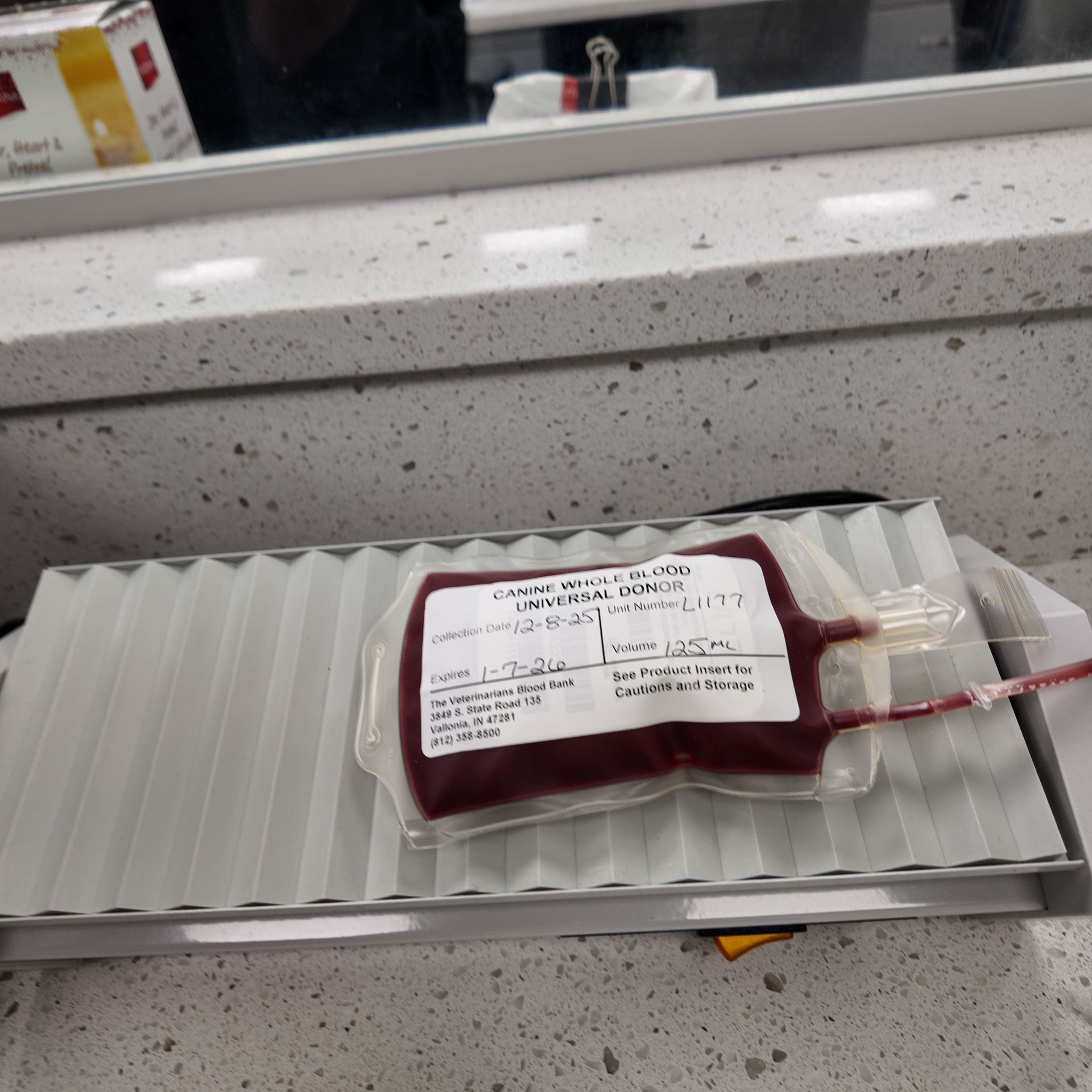
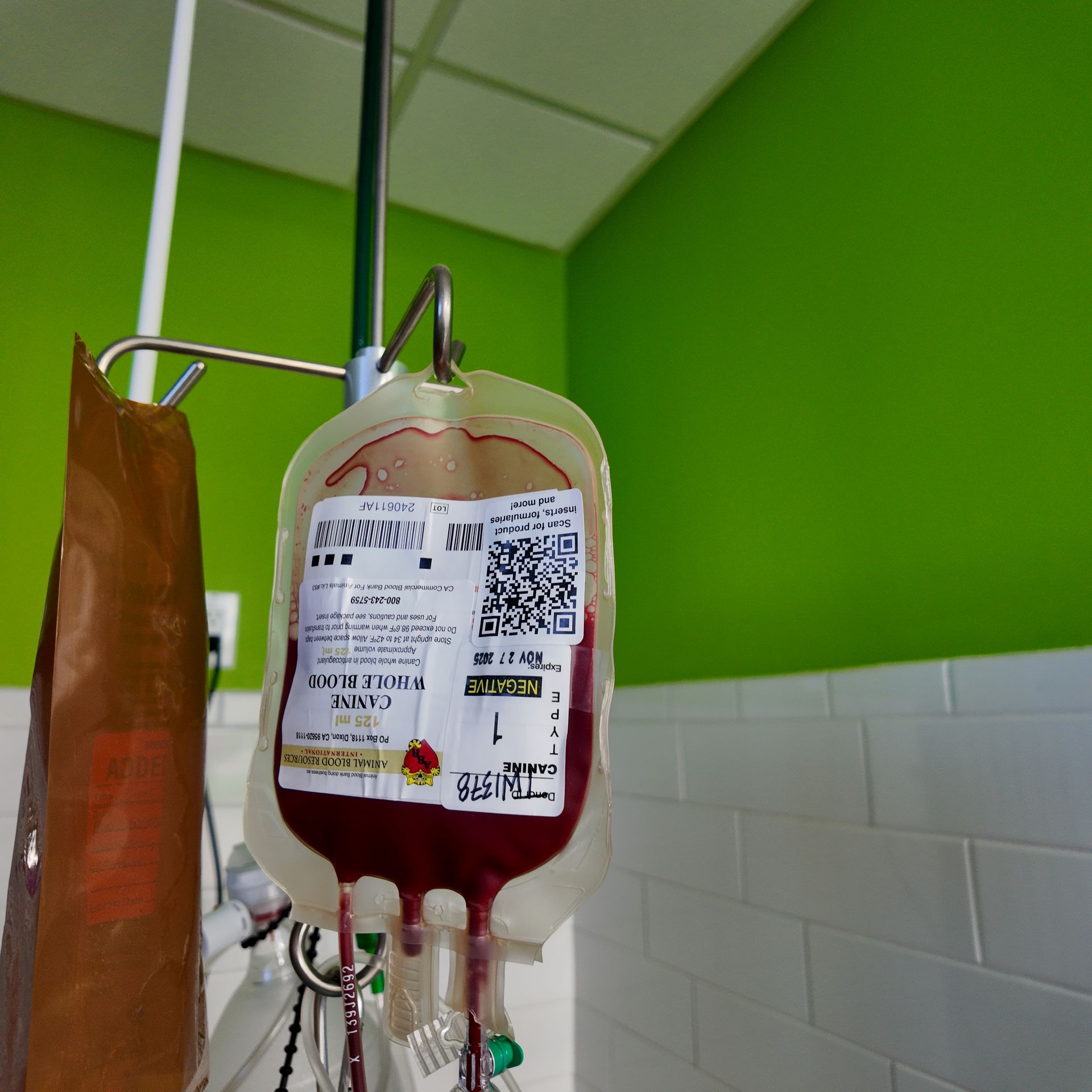
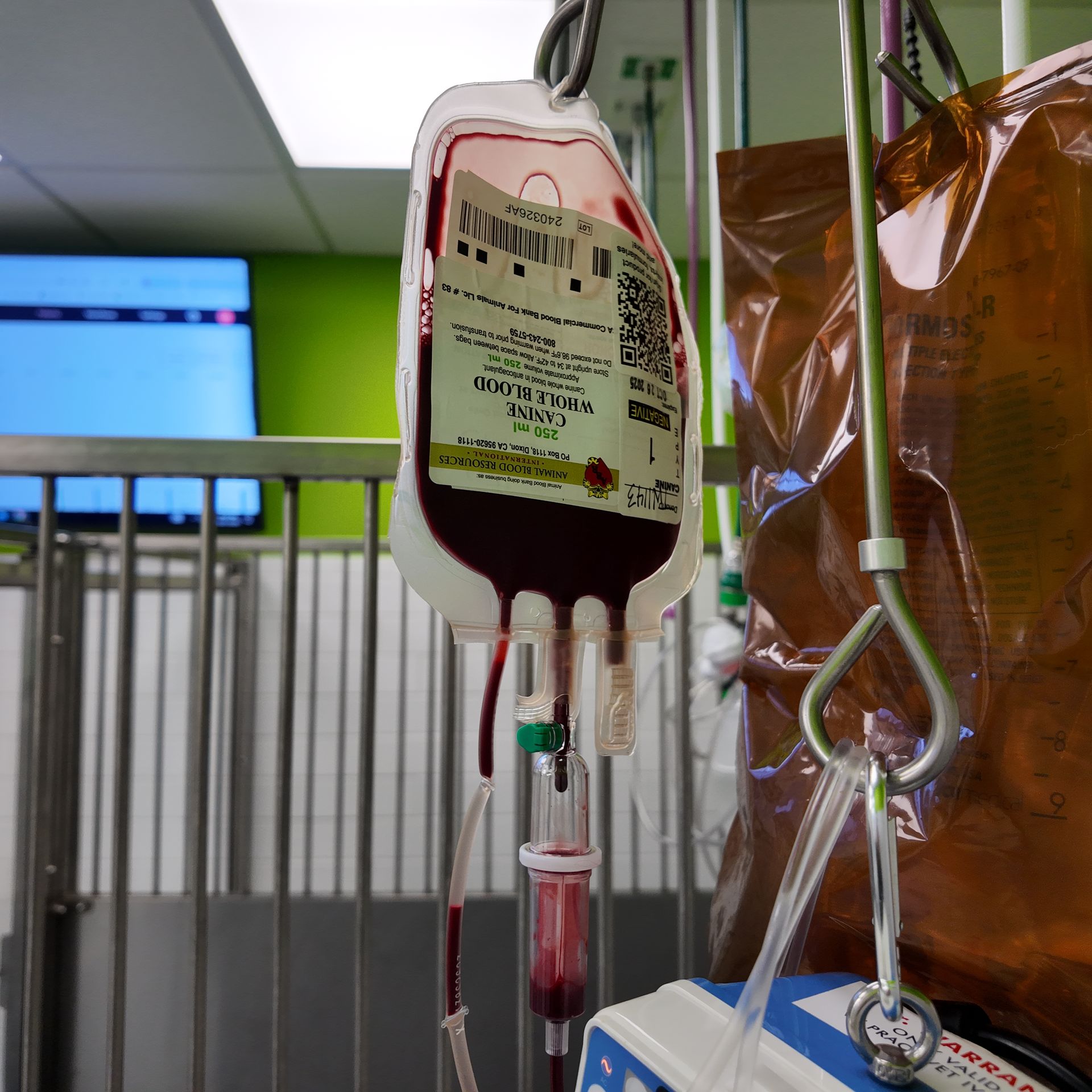
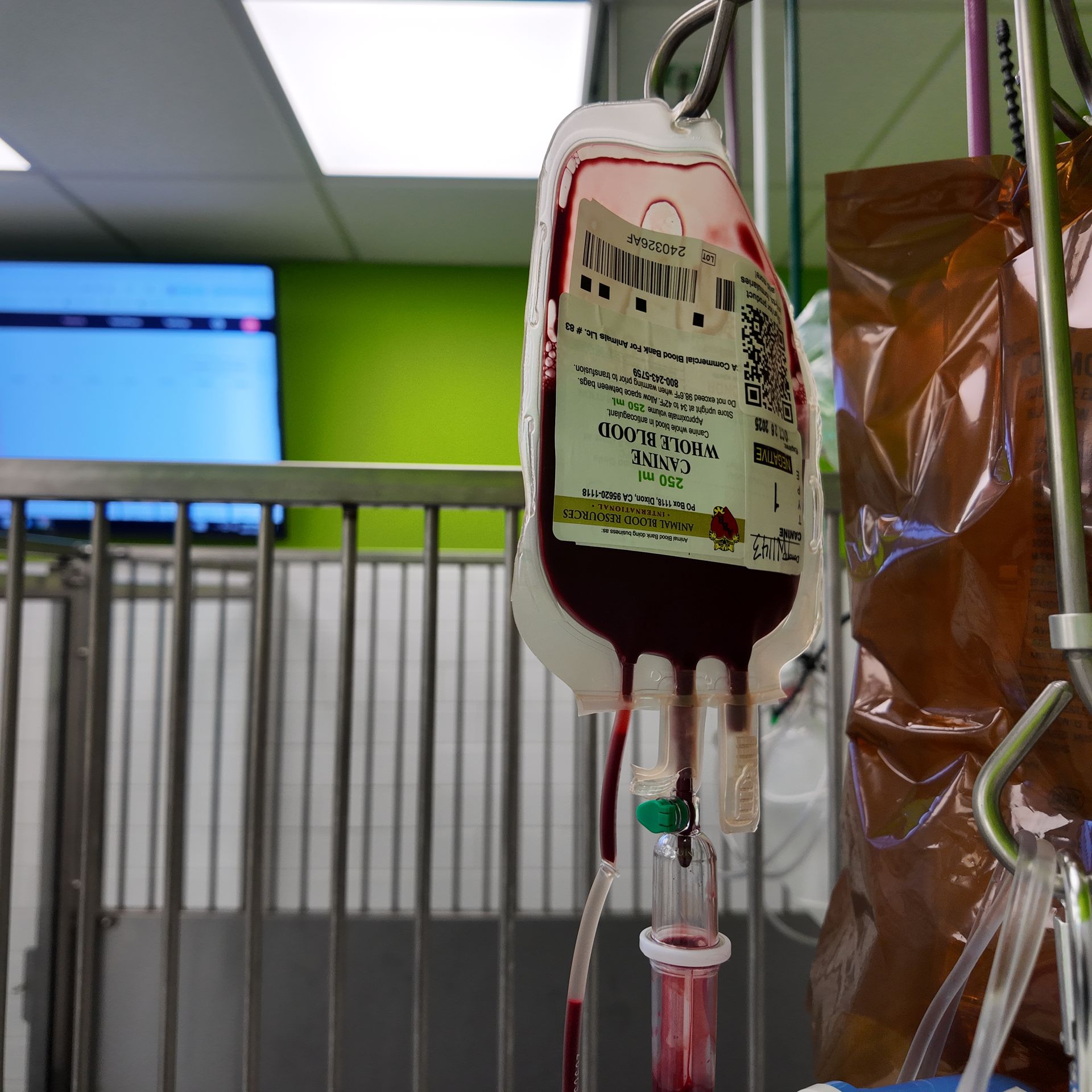
At Pet ER 24/7 in East Setauket, we provide immediate blood transfusions for dogs and cats, backed by an on-site blood bank and a highly trained emergency team ready at all hours.
🚨 What Does a Blood Transfusion Do?
Blood carries oxygen to the body.
When a pet loses blood, or their body destroys it, oxygen delivery drops, and organs begin to fail.
A blood transfusion helps by:
Replacing lost red blood cells
Restoring oxygen delivery
Stabilizing the patient so further treatment or surgery can be performed
In simple terms:
👉 It buys time — and often saves lives.
⚠️ Common Reasons Pets Need Blood Transfusions
We most often use transfusions in emergency situations such as:
Trauma (hit by car, falls, attacks)
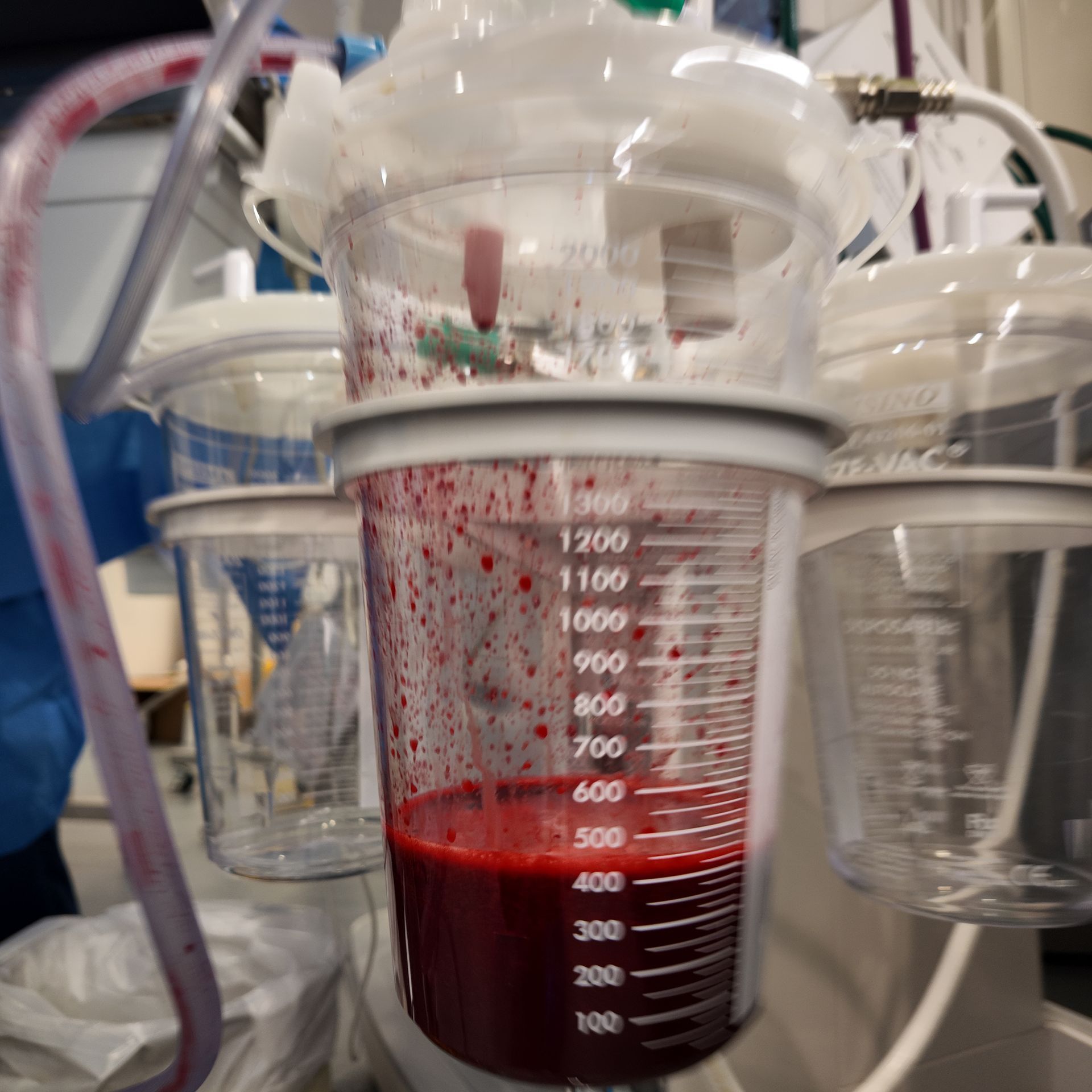
Internal bleeding (ruptured tumors, especially spleen-related)
Severe anemia (low red blood cell count)
Immune diseases like IMHA (body attacking its own blood cells)
Surgical emergencies where blood loss is expected or ongoing
Some pets arrive stable… and then suddenly crash.
That’s why fast access to blood matters.
🧪 It’s Not Just Blood — Different Products for Different Problems
At Pet ER 24/7, we carry multiple blood products to match the patient’s condition:
🩸 Whole Blood
Used when pets need both volume and red blood cells
→ Common in trauma and active bleeding
❄️ Fresh Frozen Plasma (FFP)
Used when pets cannot clot properly
Typical cases include:
Liver failure
Rodenticide (rat poison) toxicity
Severe infections (sepsis)
Bleeding disorders
🧬 Canine Immunoglobulin (IVIG)
Used in immune-mediated diseases like IMHA
👉 Helps stop the body from attacking its own blood cells
⚙️ What Happens During a Transfusion?
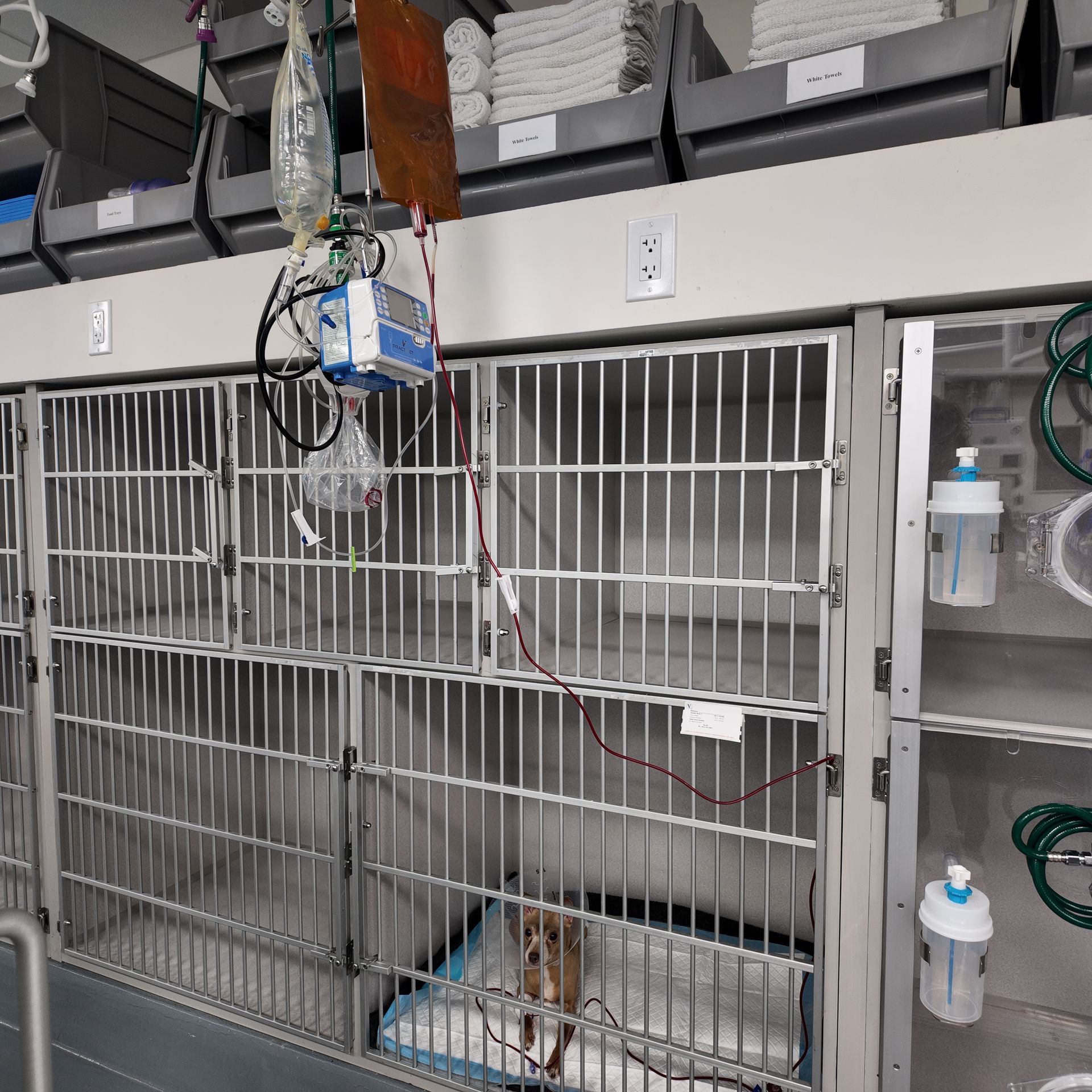
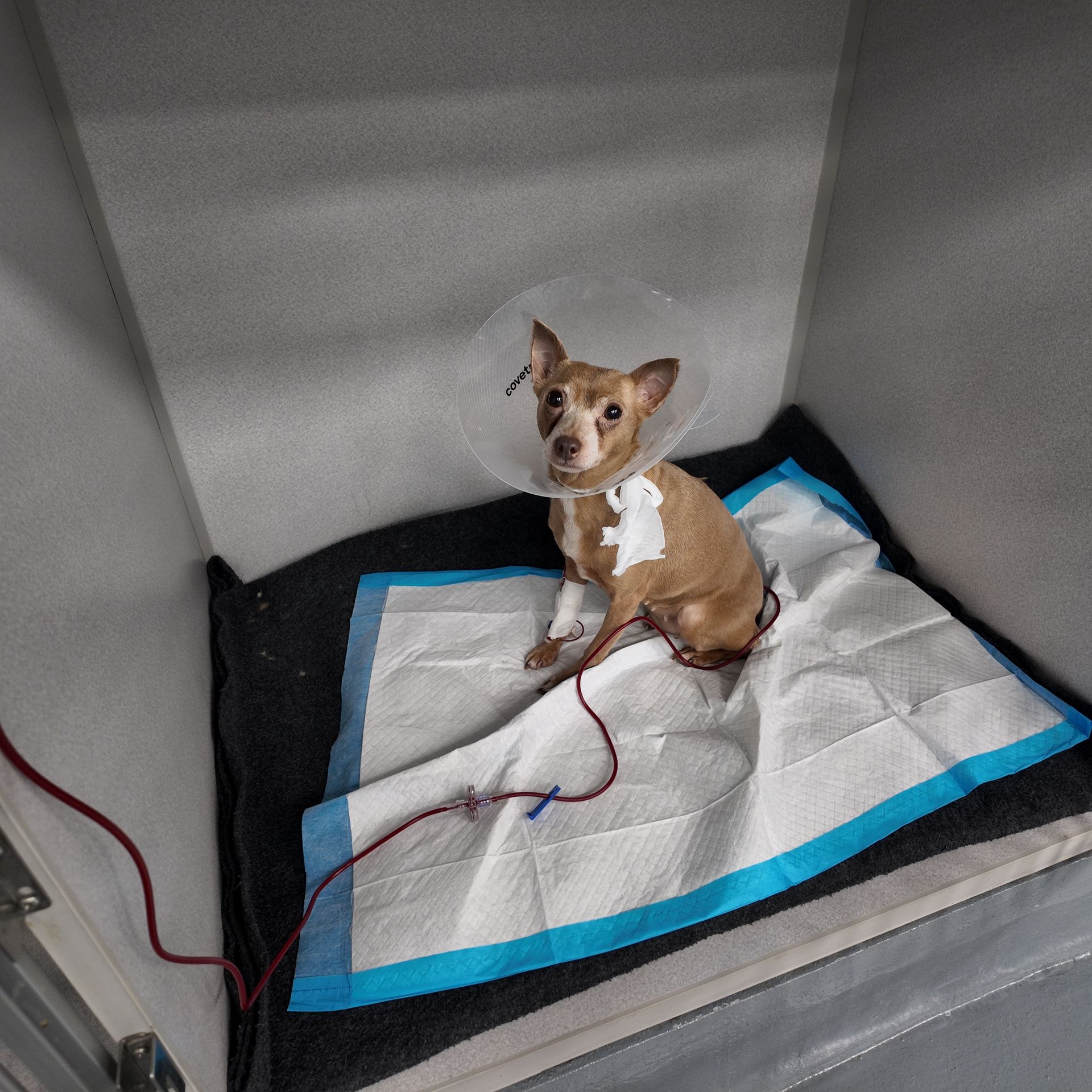
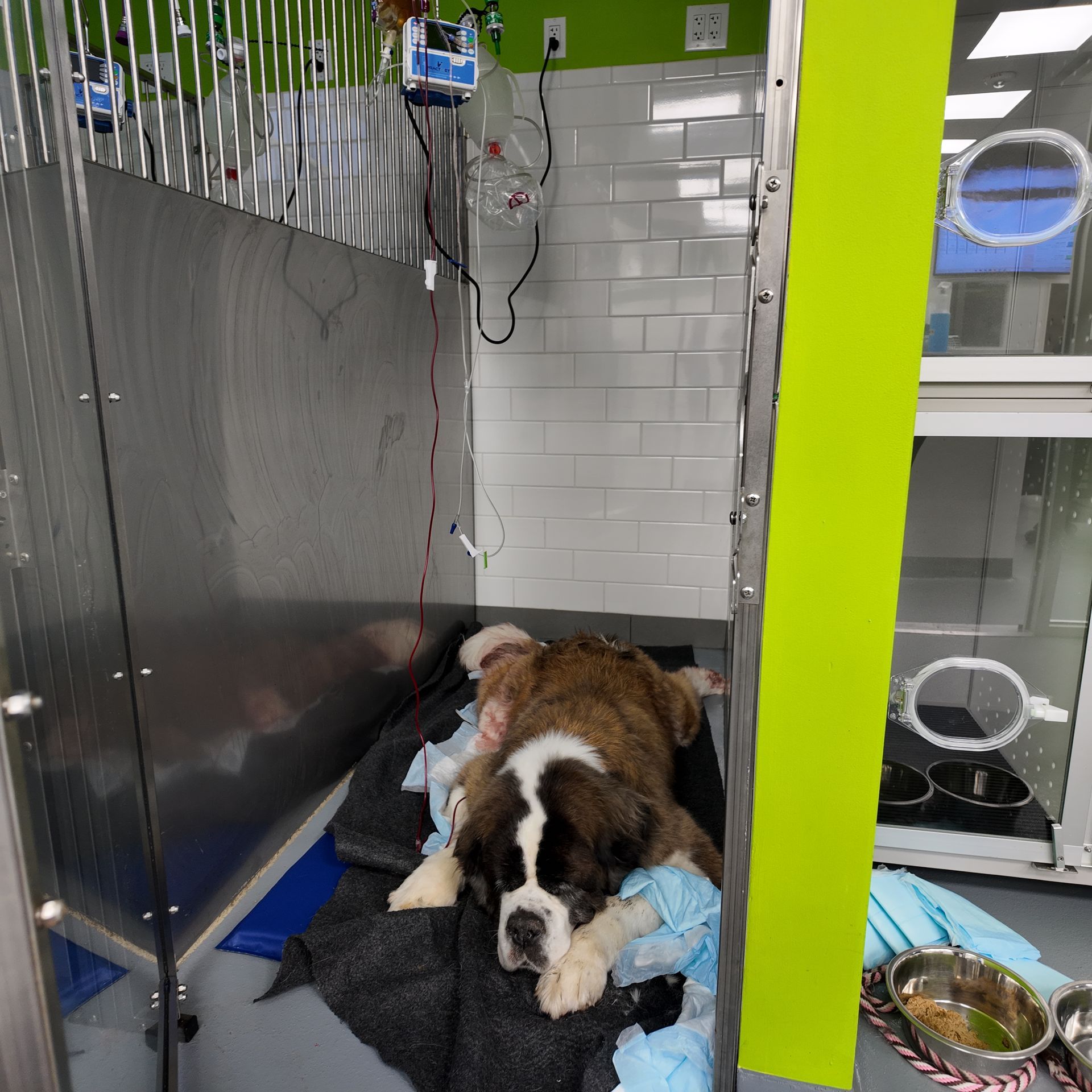
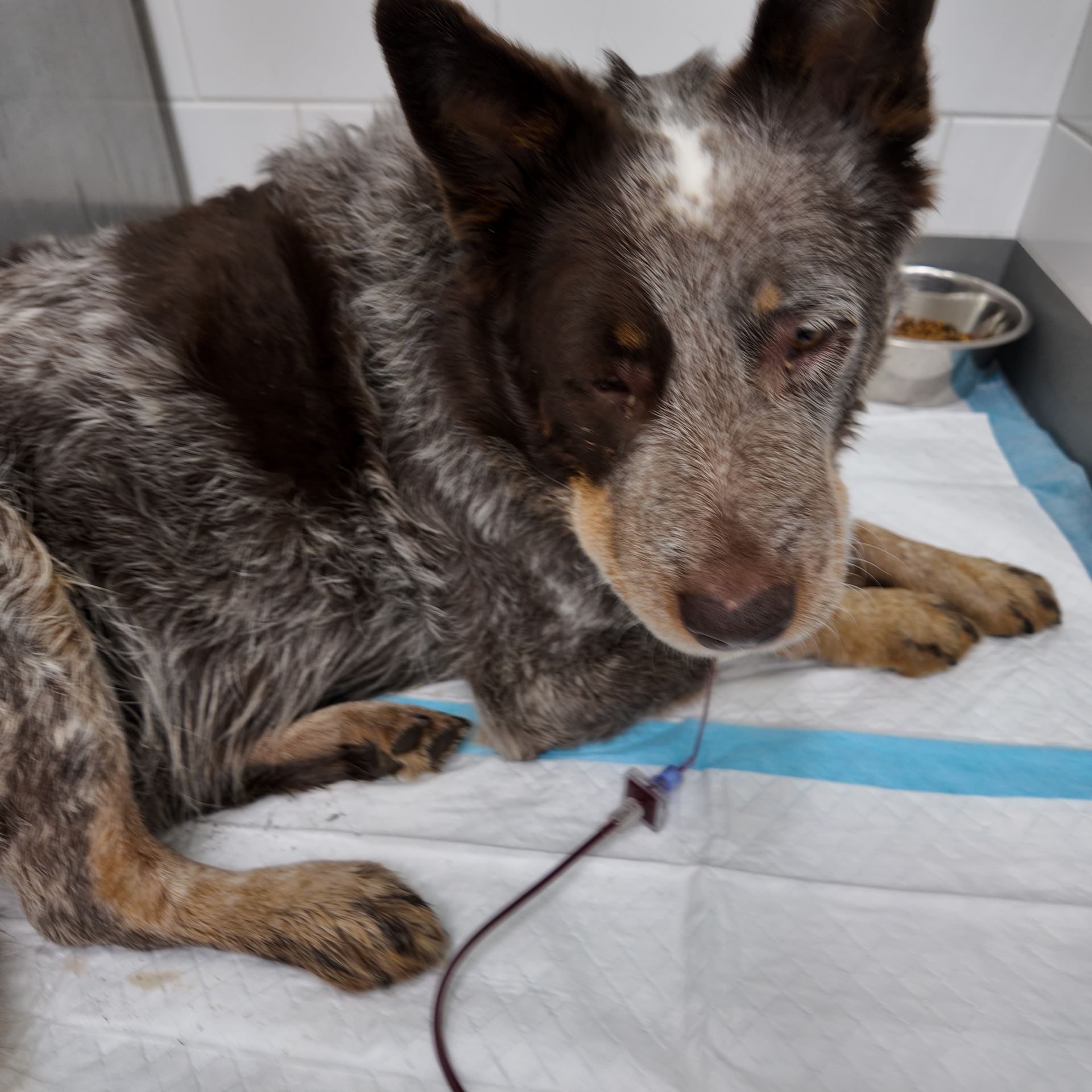
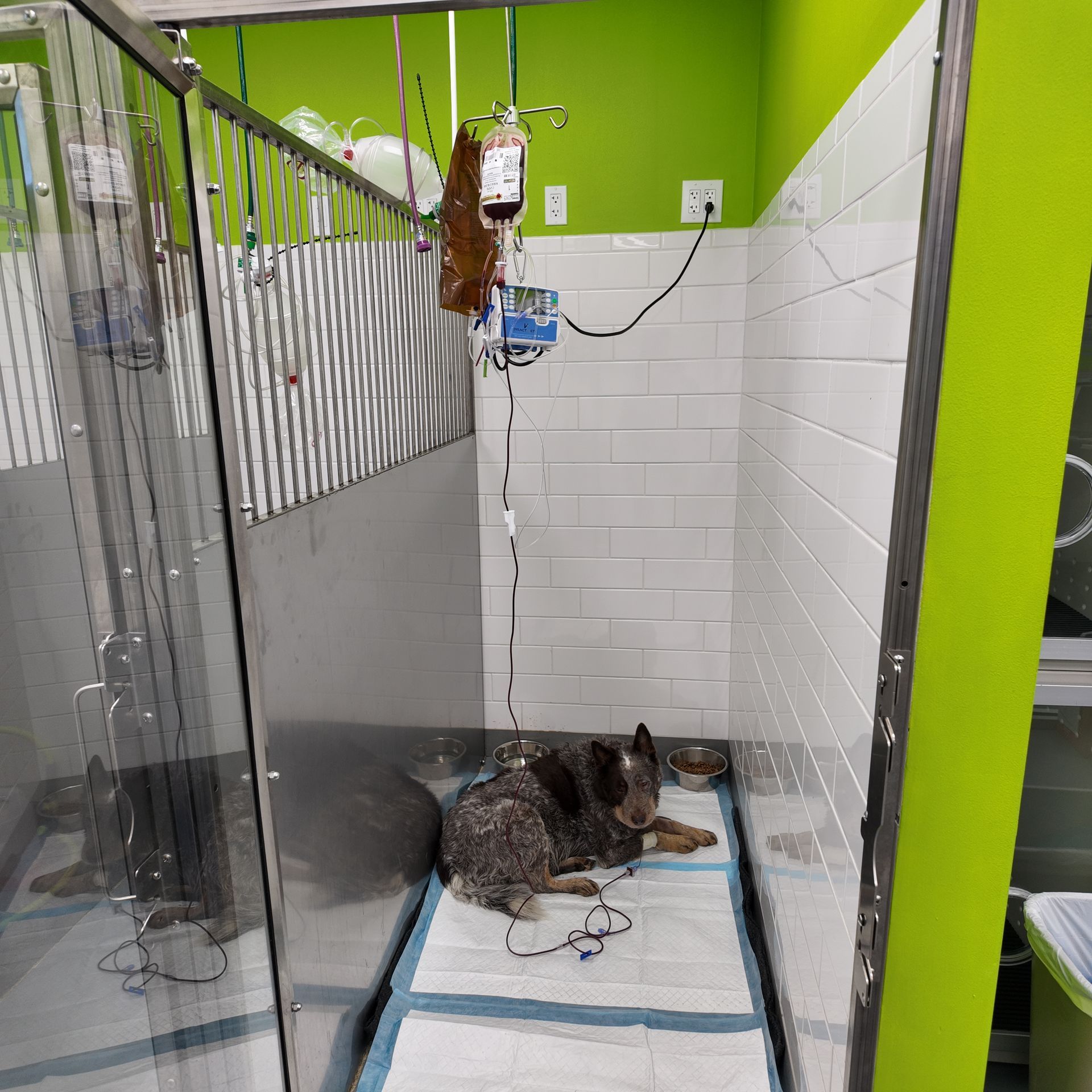
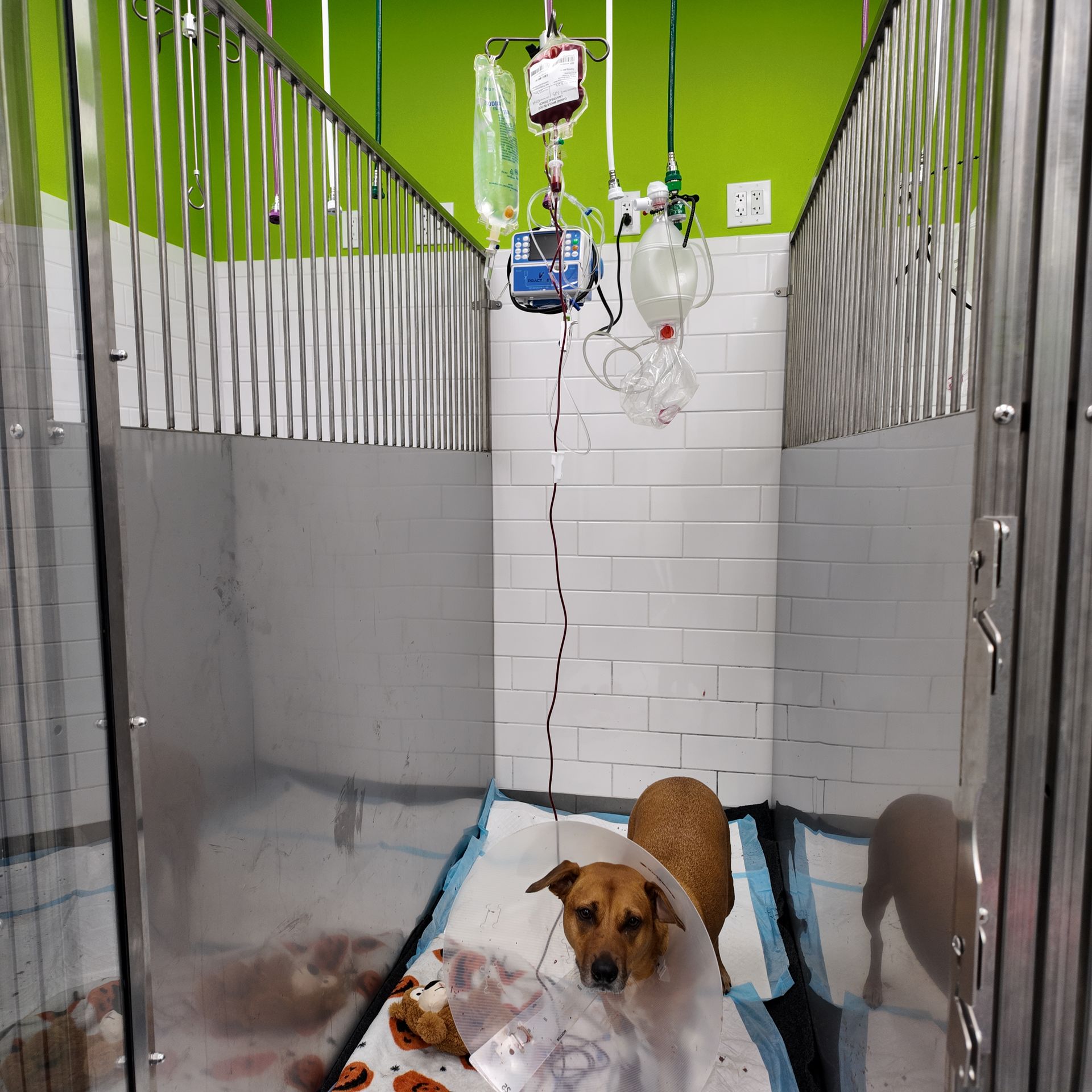
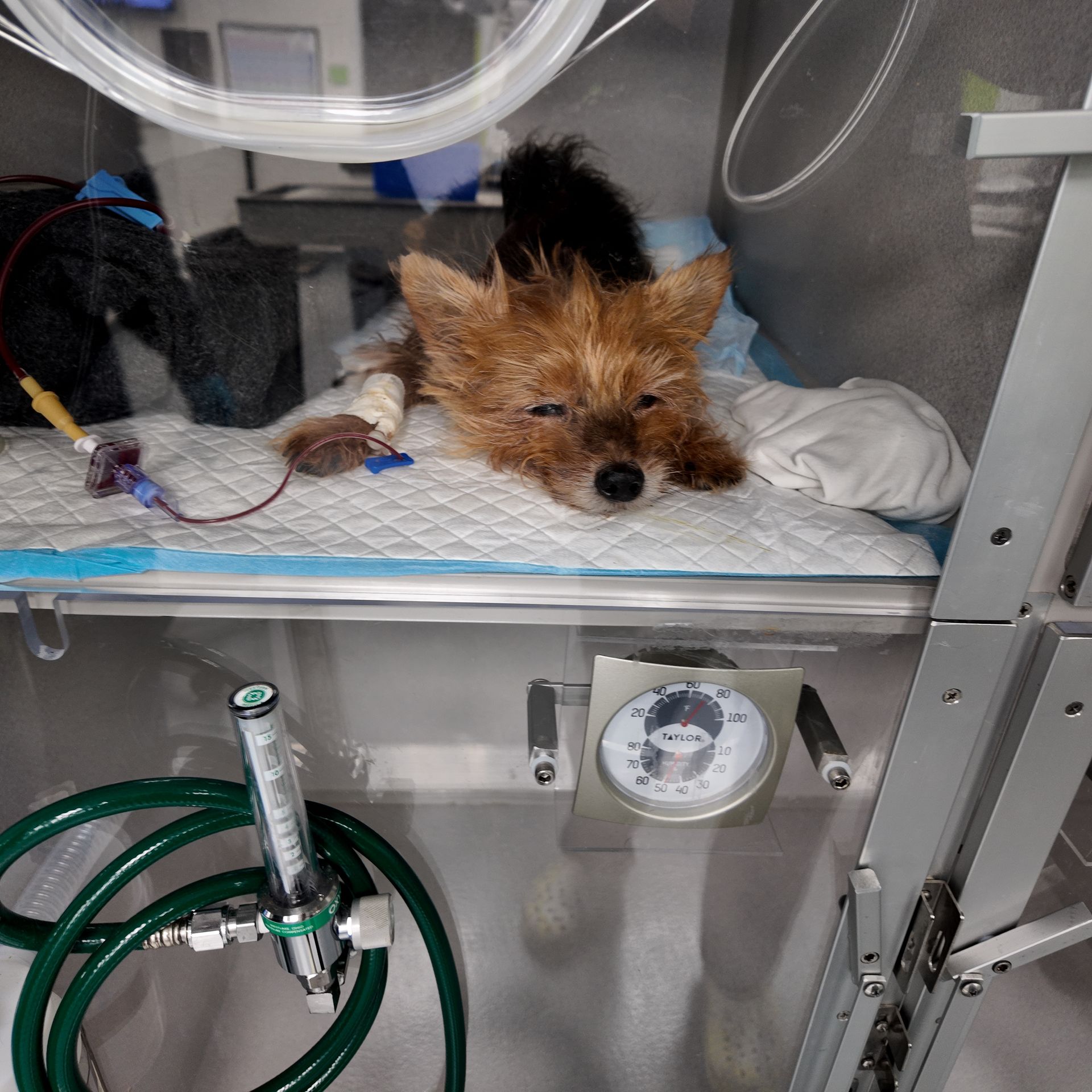
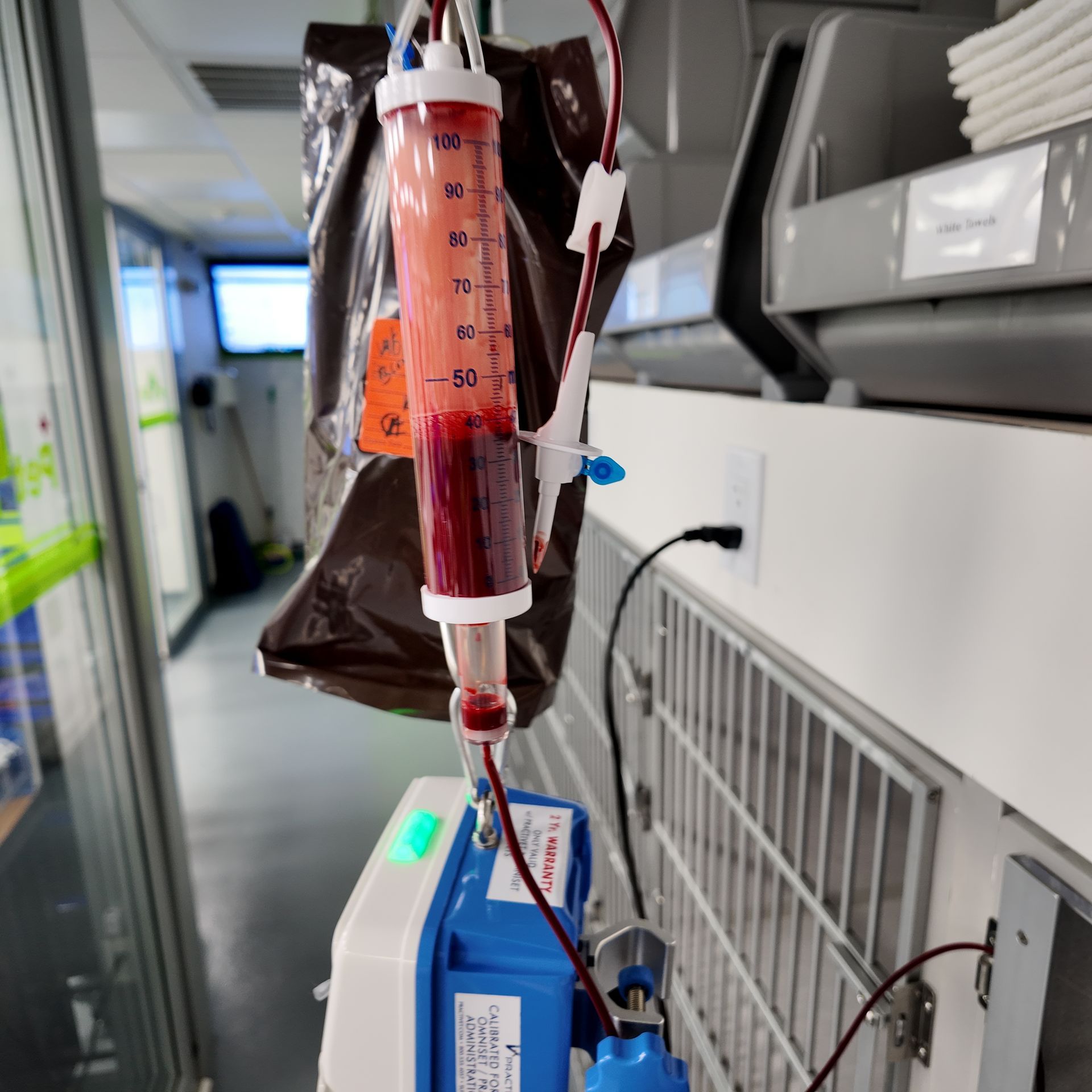
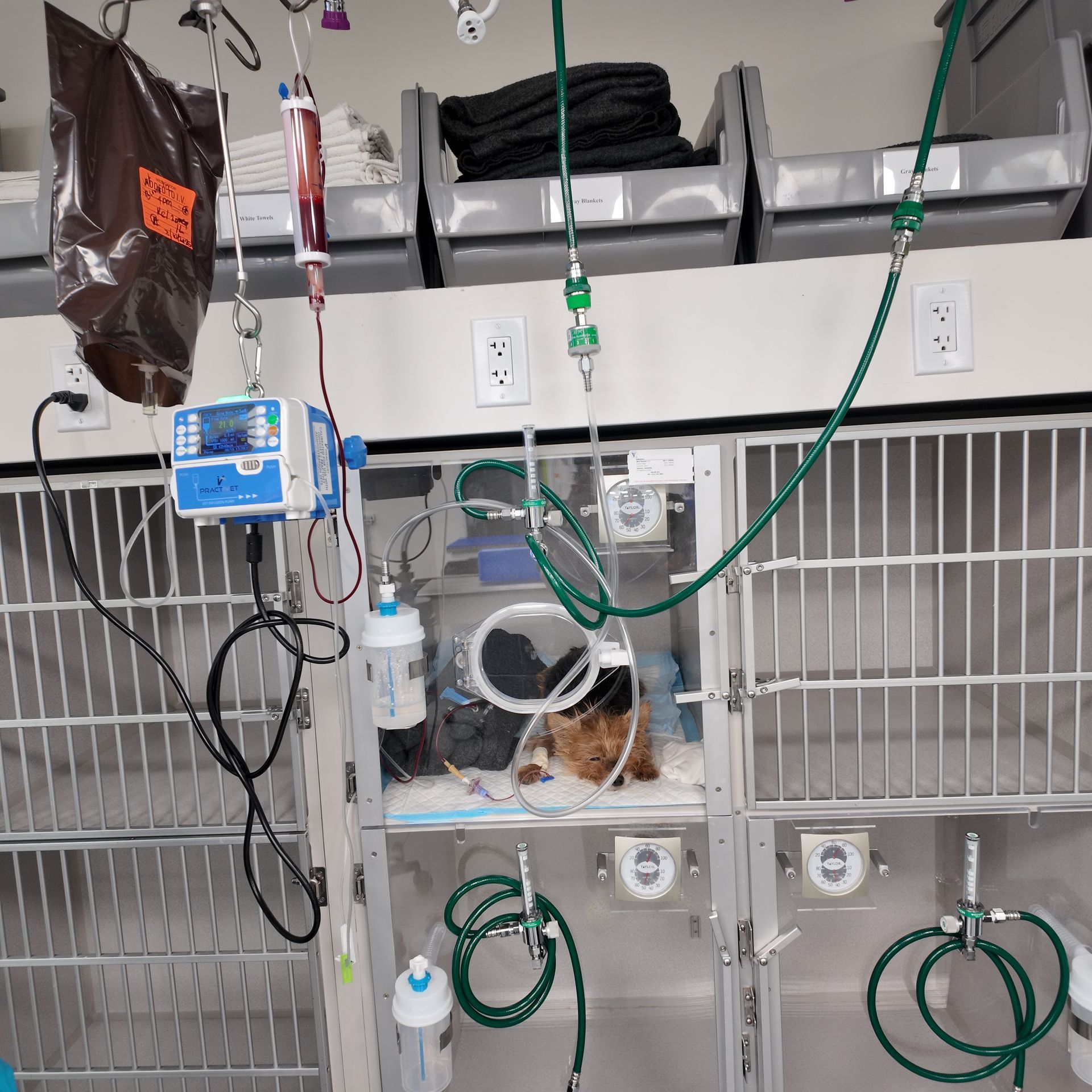
A transfusion is not just hanging a bag of blood; it is a controlled, closely monitored medical procedure.
Your pet will receive:
Careful dose and rate calculations
Continuous monitoring by ER doctors and nurses
Specialized equipment to safely deliver blood
Strict sterile technique
We also monitor closely for transfusion reactions, which may include:
Fever
Vomiting
Allergic responses
Changes in heart rate or breathing
👉 This is why transfusions require trained emergency teams and constant supervision.
⚡ Why Speed Matters
In emergency medicine, delays can be fatal.
At Pet ER 24/7:
Blood products are available immediately
Treatment begins within minutes
Stabilization happens as soon as your pet arrives
There is no waiting for outside supply.
There is no delay when your pet needs help.
🐾 Signs You Should Go to an Emergency Vet Immediately
If your pet shows any of the following, seek care right away:
Pale or white gums
Sudden weakness or collapse
Rapid breathing
Swollen abdomen
Lethargy after trauma
👉 These may indicate internal bleeding or severe anemia.
💚 Saving Lives; One Transfusion at a Time
From tiny cats to large dogs, blood transfusions are one of the most powerful tools in emergency veterinary medicine.
At Pet ER, we are proud to provide immediate, life-saving transfusion care to pets across East Setauket, Stony Brook, Port Jefferson, Smithtown, and all of Suffolk County.
🚨 Need Emergency Care Now?
If your pet may need a transfusion:
👉 Come in immediately; no appointment needed
👉 Open 24/7
Pet ER 24/7
Emergency & Critical Care
Where every minute matters; and every life counts.
If your pet is experiencing trauma, visit our Emergency Vet Services page for immediate care.
In cases of internal bleeding, such as splenic rupture, learn more about our Emergency Surgery for Dogs and Cats
Pets with immune-related anemia may require advanced care — see our Critical Care & ICU Services